
Extreme summer heat can push even a well-maintained air conditioner to its limits. As temperatures in Cottonwood & Verde Valley continue to increase, it’s common to notice rising energy bills, warm areas throughout the home and cooling systems that appear to run all day without keeping up.
People often think the AC is the only thing that affects how comfortable your home feels. However, your home’s airflow, insulation and shade all play a major role in cooling performance.
This guide covers three practical strategies that can improve comfort and cooling efficiency: boosting airflow in your home, making sure your home has enough insulation and adding shade to reduce heat from the sun. When you follow these summer AC tips from the pros at Connolly Electric & Mechanical, you’ll keep your house cool in summer.
Start with Airflow: Improve Airflow for Better Cooling
AC units cool the air and distribute it through ductwork to every room in your home. For that cool air to make rooms comfortable, it must move freely throughout your home. Whenever airflow is blocked, some rooms may not cool properly.
It’s common for homeowners to blame their air conditioning system for a hot home. In many cases, the AC is often working fine—the real problem is limited airflow. Dirty air filters, blocked vents and other HVAC issues can all inhibit airflow.
Home Airflow Optimization Checklist
Taking these easy steps to boost airflow in your home can enhance comfort, minimize strain on your AC and decrease energy costs.
- Change dirty air filters. Routine AC air filter replacement helps your HVAC system circulate air more efficiently while helping improve indoor air quality.
- Makesure supply and return vents are unblocked. Furniture, rugs and curtains can lead to blocked air vents that stop cooled air from circulating throughout your home.
- Keep interior doors open. This helps air to move more evenly between rooms.
- Reposition furniture covering registers.Making sure registers are free of obstructions allows conditioned air to circulate properly.
- Book preventiveAC maintenance services. During a professional HVAC tune-up, a technician can check and clean debris-covered blower components that may affect your system’s ability to circulate air.
Insulation Matters More Than Most Homeowners Realize
Insulation acts as a barrier against the warm air outside your home. Although your air conditioner removes heat from inside your home, insulation helps keep that heat from getting inside. Proper insulation enhances comfort, lowers cooling run times and can help maximize the life of your HVAC system.
The attic is one of the biggest sources of solar heat gain during heatwaves. Proper attic insulation and cooling go hand in hand because attic insulation reduces heat transfer through the roof. Proper weatherstripping and sealing around doors and windows also help stop hot outdoor air from getting inside.
If insulation levels are too low or air leaks allow hot air to sneak inside, your air conditioning has to work harder. This often causes homeowners to ask, “Why is my house hot with the AC running?” In many cases, home insulation levels—not the air conditioner—are the problem.
Signs of Low Home Insulation Levels
- Warmsecond-floor rooms
- Uneventemperatures
- Risingenergy bills
- Air conditioner runningconstantly
Use Shade to Help Lower Cooling Costs
Sunlight coming through windows and heating up your roof and exterior walls boosts indoor temperatures, forcing your air conditioner to work harder.
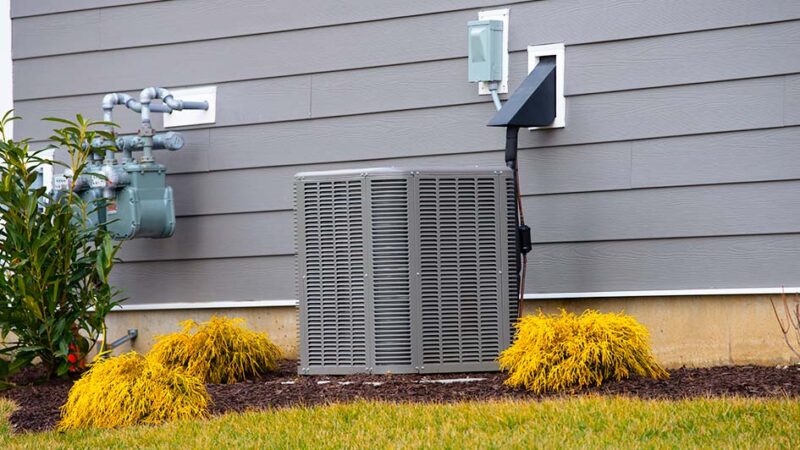
Direct sunlight can also affect your outdoor AC unit by reducing its ability to release heat efficiently. Creating shade around your property can limit solar heat gain, improve comfort and reduce summer energy bills. Shading your air conditioner’s outdoor unit can also help—but never restrict airflow around the condenser. Don’t install fences, enclosures or dense landscaping that block air movement.
5 Summer AC Tips for Using Shade to Cool Your Home
- Add trees and landscaping strategically. Use trees to shade your roof, walls, windows and outdoor air conditioning equipment. If you’re shading your outdoor AC unit, keep at least 2–3 feet of clearance on all sides and 5 feet above the unit to ensure it receives enough airflow.
- Use window coverings. Light-colored curtains, cellular shades and thermal drapes help reduce heat gain from sunlight shining through windows.
- Use solar screens in your home. Solar screens, which are specially designed mesh curtains, used on sun-facing windows help block the sun’s heat while still allowing in natural light.
- Strategically use outdoor shade. Add landscaping and design features like awnings, pergolas, shade sails or exterior shutters to block direct sunlight off windows before it enters your home.
- Close your blinds during the afternoon. Maintain blinds or shades closed on west- and south-facing windows during the hottest part of the day to lower indoor temperatures and lighten the load on your air conditioner.
Additional Hot Weather Survival Tips
Airflow, insulation and shade all make a big difference, but these AC efficiency tips can also increase comfort during intense summer heat.
- Change ceiling fan direction. Rotate ceiling fans counterclockwise to produce a cooling breeze.
- Reduceuse of heat-generating appliances during the hottest part of the day. Use ovens, dryers and dishwashers in the morning or evening to helpreduce indoor heat.
- Adjust thermostat settings. Trytoavoid frequent temperature changes that cause your AC to work harder.
- Book preventative maintenance. Routine service helps your system run efficiently before peak cooling season.
- Watchfor unusual system performance. Call a professional to investigate strange noises, weak airflow or inconsistent cooling before they become more extensive repairs.
The Importance of Knowing When It’s Time to Contact an HVAC Professional
Basic AC maintenance and energy-saving cooling strategies can help, but some problems require professional attention. When warm air is coming from your vents, airflow feels weak, your air conditioning runs almost constantly, energy bills increase for no reason, rooms cool unevenly or your system turns on and off repeatedly, it’s a good idea to schedule an expert evaluation.
At Connolly Electric & Mechanical, our cooling specialists inspect airflow, duct performance, insulation-related comfort concerns and overall system health to identify the underlying cause to help your HVAC system operate at its best throughout the summer.
Keep Your Cool All Summer Long
Keeping your home cool during a heat wave takes more than just your AC. Proper airflow, adequate insulation and well-planned shade work together to increase comfort, increase efficiency and lower cooling costs. Combined with regular summer HVAC maintenance, these strategies can help your system operate at its best when you need it most.
has the training and experience to keep you comfortable in even the hottest weather. Whether you need AC maintenance, a cooling system inspection, an airflow evaluation or a complete summer tune-up, we’re here to help boost efficiency and comfort during hot summers. Schedule cooling services online or call today to get started.
Frequently Asked Questions About Summer Air Conditioner Efficiency
Why is my house still uncomfortable even when the air conditioning is operating?
When your house stays hot even though your AC is running, the problem isn’t always the air conditioner. Limited airflow, too little insulation, inefficient thermostat settings or HVAC system issues can each reduce cooling performance and keep cool air from reaching every room.
Does outdoor shade really help cut cooling costs?
Absolutely. Trees, landscaping, awnings and window coverings block solar heat gain, helping your home feel cooler. Reducing the amount of heat entering your home means your AC doesn’t have to work as hard to cool your home. This reduces energy, which can lower your cooling expenses.
How often should I check and replace my HVAC air filter throughout the cooling season?
Most households should check their air filter every month during the peak cooling season and replace it as needed. The best air filter replacement schedule depends on the filter type, pets, allergies and how often your air conditioner runs.
Can insulation {help|make my air conditioner perform better?
It can. Proper home insulation slows heat transfer into your home, reducing strain on your air conditioning. Making sure your home has adequate insulation levels, especially in your attic or around windows, helps keep more consistent indoor temperatures while using less energy.
Should I cover up my outdoor AC unit to keep it cooler?
Not while it’s running. You should never cover your outdoor AC unit while it’s running because the condenser needs unrestricted airflow to release heat. Adding shade for your outdoor air conditioner unit is beneficial, but always make sure there’s at least 2–3 feet of clearance around the unit and 5 feet above it to provide proper airflow.
What temperature should I set my thermostat at during a heat wave?
For most homeowners, setting the thermostat around 78 degrees when you’re home offers the right balance of comfort and energy efficiency during a heat wave. Set the highest temperature that keeps you comfortable, and don’t make large thermostat adjustments that force your air conditioning to work harder.


